Arborist Pruning in Reno, NV
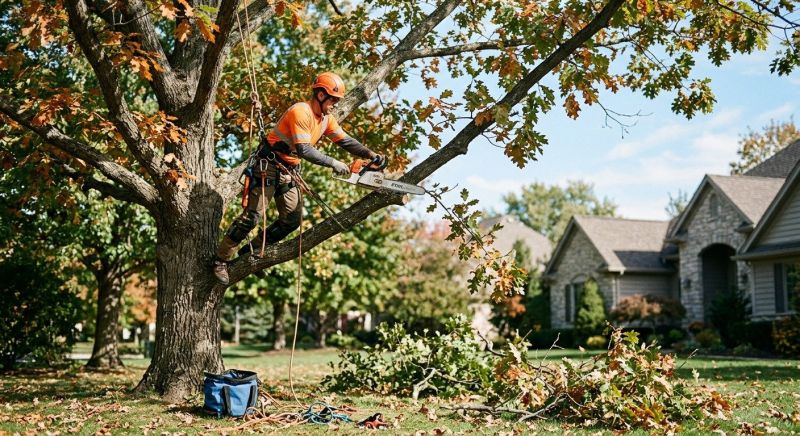
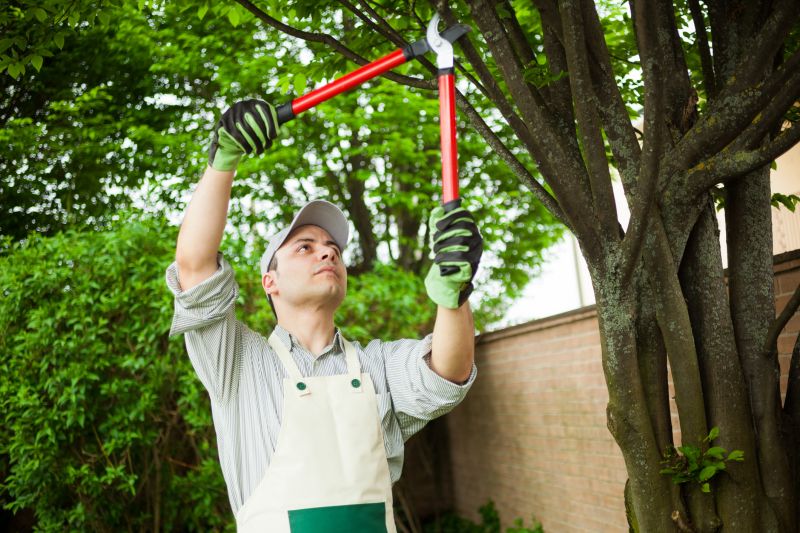
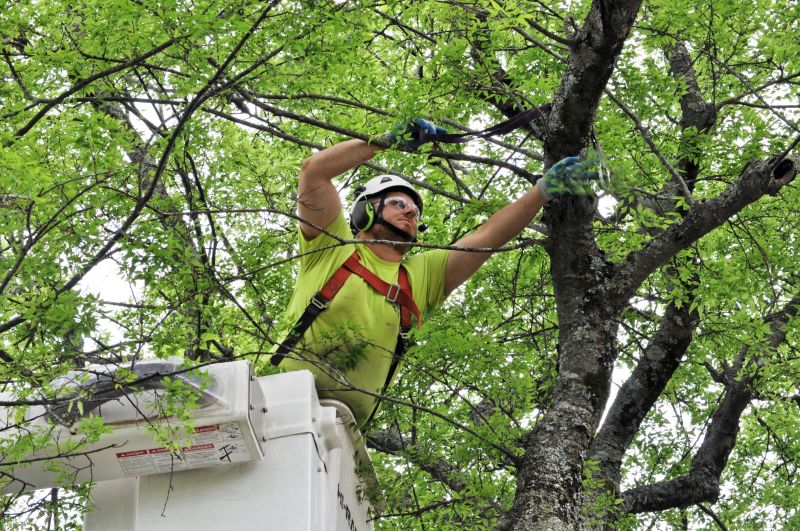
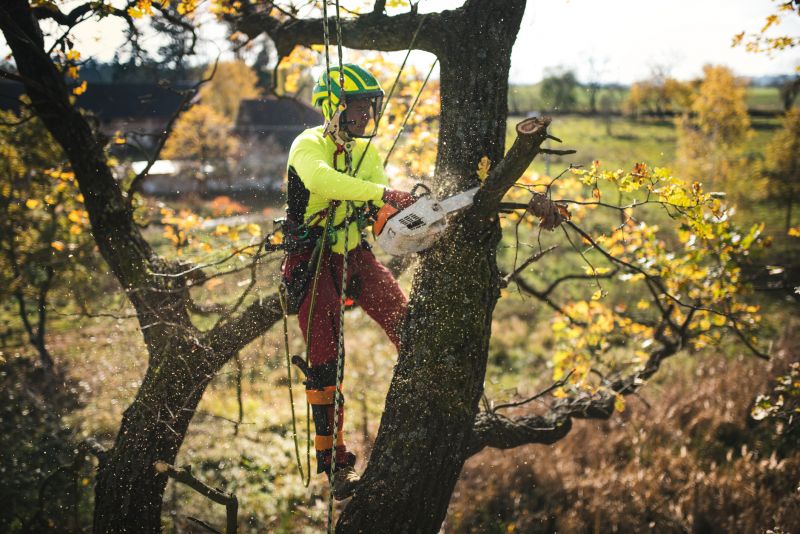
Arborist pruning services involve the careful trimming and shaping of trees to promote healthy growth, improve appearance, and ensure safety on residential properties. These services typically include removing dead or diseased branches, thinning dense foliage, and reducing the size of overgrown trees. Homeowners often request pruning to enhance curb appeal, prevent potential damage from falling limbs, or to maintain the overall health of their trees. It’s important for property owners to understand the specific goals of the pruning project, such as whether the focus is on aesthetic shaping or safety concerns, and to consider the timing and extent of trimming suitable for their tree species.
Before requesting arborist pruning, property owners should assess the condition of their trees and identify any problematic branches or areas of concern. Clear communication about desired outcomes, such as tree health, safety, or appearance, can help ensure the work aligns with expectations. Additionally, understanding the potential impact on the tree’s growth and the importance of proper pruning techniques can contribute to maintaining the longevity and safety of the landscape. Consulting with a professional can provide guidance on the best practices for pruning different types of trees and the appropriate timing for each project.
Many property owners in Reno, NV look into Arborist Pruning for repairs, replacements, upgrades, and appearance-related improvements.
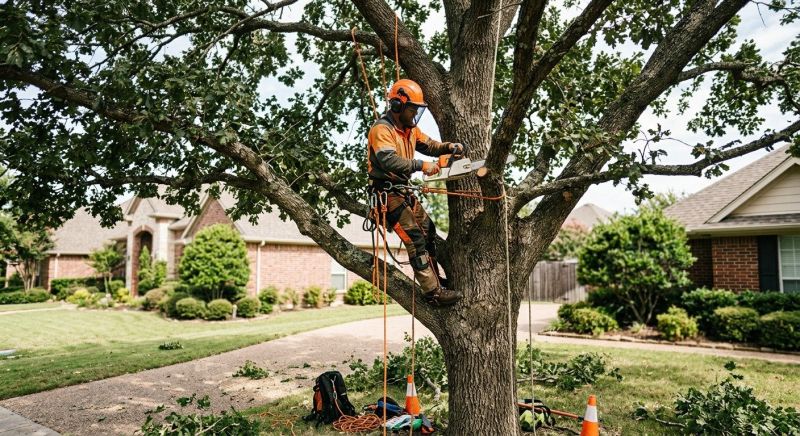
Tree Crown Reduction
Pruning to reduce the size and shape of tree canopies for safety and aesthetics.
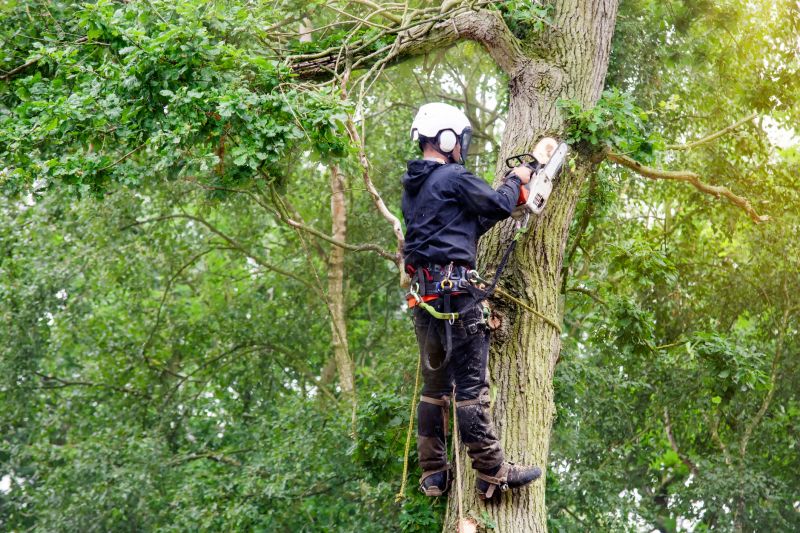
Deadwood Removal
Eliminating dead or diseased branches to improve tree health and prevent hazards.
Structural Pruning
Shaping young trees to develop strong branch structures and promote long-term stability.
Arborist Pruning in Reno, NV
Arborist pruning services involve the careful trimming and shaping of trees to promote healthy growth, improve appearance, and ensure safety on residential properties. These services typically include removing dead or diseased branches, thinning dense foliage, and reducing the size of overgrown trees. Homeowners often request pruning to enhance curb appeal, prevent potential damage from falling limbs, or to maintain the overall health of their trees. It’s important for property owners to understand the specific goals of the pruning project, such as whether the focus is on aesthetic shaping or safety concerns, and to consider the timing and extent of trimming suitable for their tree species.
Before requesting arborist pruning, property owners should assess the condition of their trees and identify any problematic branches or areas of concern. Clear communication about desired outcomes, such as tree health, safety, or appearance, can help ensure the work aligns with expectations. Additionally, understanding the potential impact on the tree’s growth and the importance of proper pruning techniques can contribute to maintaining the longevity and safety of the landscape. Consulting with a professional can provide guidance on the best practices for pruning different types of trees and the appropriate timing for each project.
Many property owners in Reno, NV look into Arborist Pruning for repairs, replacements, upgrades, and appearance-related improvements.
Common Arborist Pruning Jobs
Tree thinning - removing select branches to improve tree health and reduce weight.
Structural pruning - shaping trees to promote strong growth and prevent hazards.
Deadwood removal - eliminating dead or diseased branches to enhance safety and appearance.
Formative pruning - guiding young trees toward healthy, balanced growth.
Fruit tree pruning - optimizing fruit production and tree structure.
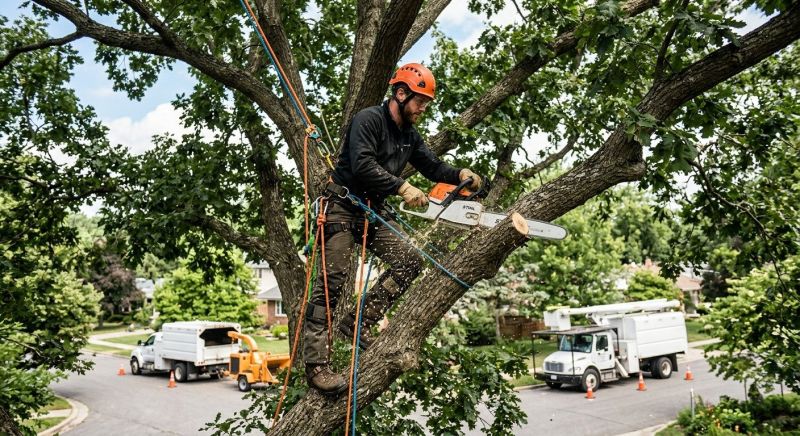
Storm damage pruning - clearing broken or hazardous branches after severe weather.
Arborist Pruning Questions
What is arborist pruning? Arborist pruning involves selectively trimming and shaping trees to promote healthy growth and maintain safety on the property.
Why should trees be pruned regularly? Regular pruning helps prevent hazards, improves tree structure, and encourages vigorous growth.
What types of pruning are common? Common types include crown thinning, crown reduction, and deadwood removal to improve tree health and appearance.
When is the best time to prune trees? The optimal time for pruning depends on the tree species, but late winter or early spring is often recommended for many trees.
Request Arborist Pruning in Reno, NV
Use the quote form on this page to share the basics of your project and request more information for the type of work you need.